Our next Vehicle Dynamics Online Module will take
place on 12 December 2026 and 16 January 2027.
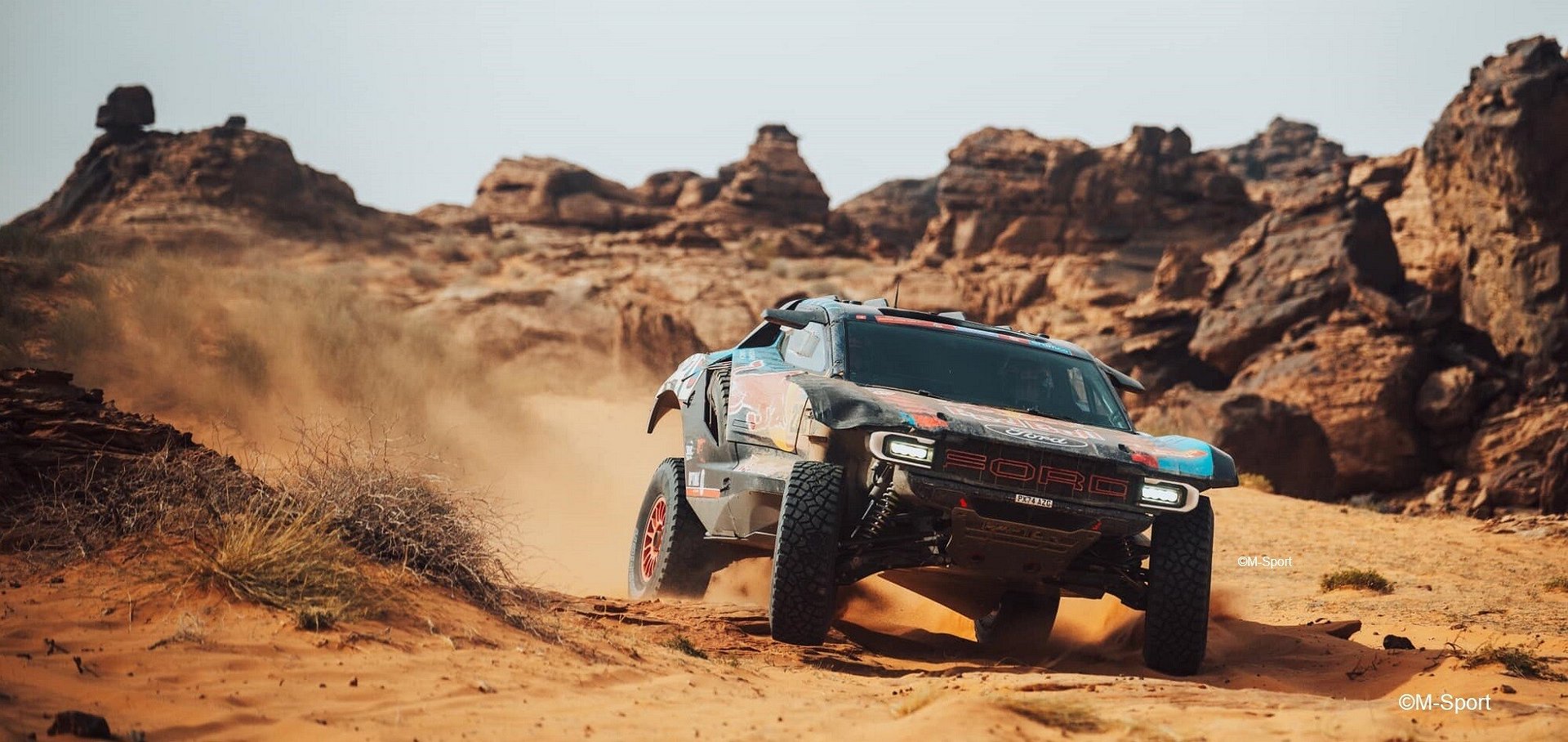
Maintaining grip with the track whilst coping with lateral and longitudinal accelerations of over 5G requires every area of a racecar to be effectively engineered and working in harmony. This is the goal of the vehicle dynamics engineer - and the key to achieving a fast lap time.
However, with over 14,500 parts on a modern Formula 1 car, understanding the interactions between each and the resulting affect on the car's dynamic behaviour is a real challenge.
Tutors and Topics for Part 1 and Part 2 modules include:
Simulators
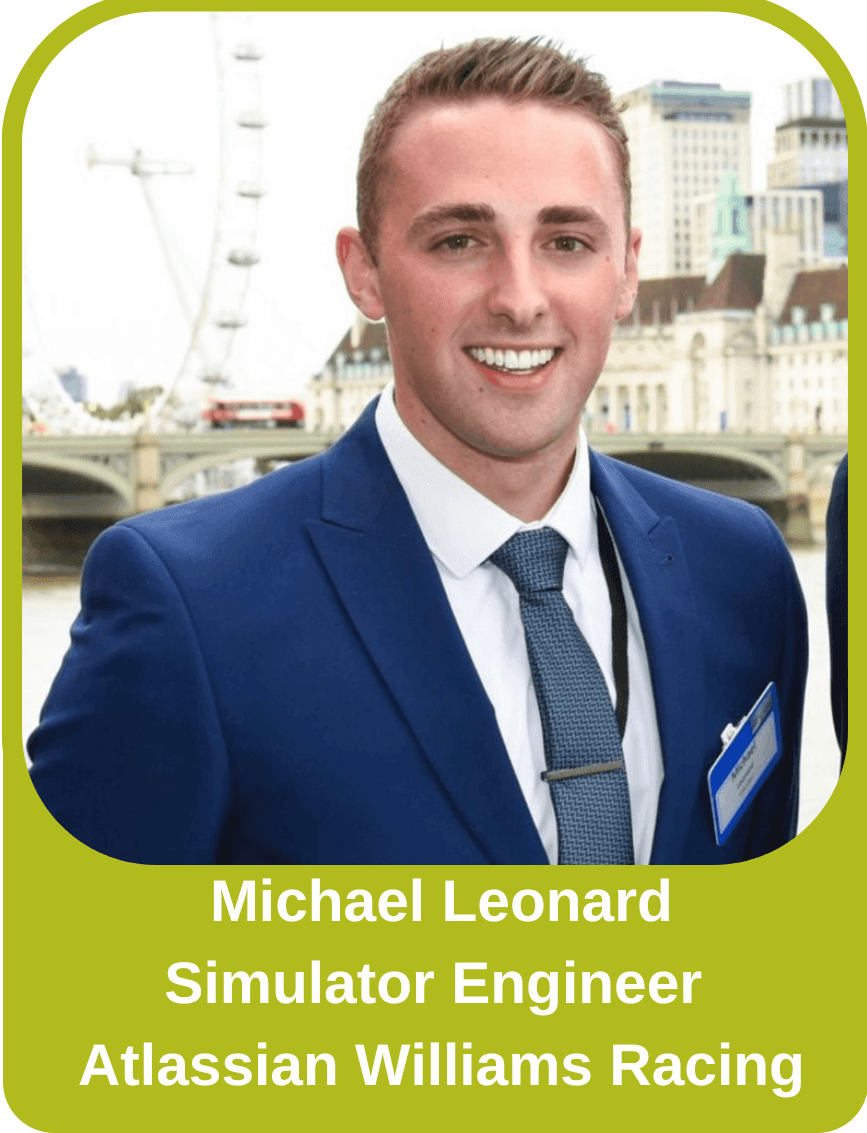
Delivered by Michael Leonard
Learn how race teams use simulators for driver training as well as car set-up. You will understand why teams use simulators, as well as how to plan and run a successful session.
Global racecar performance
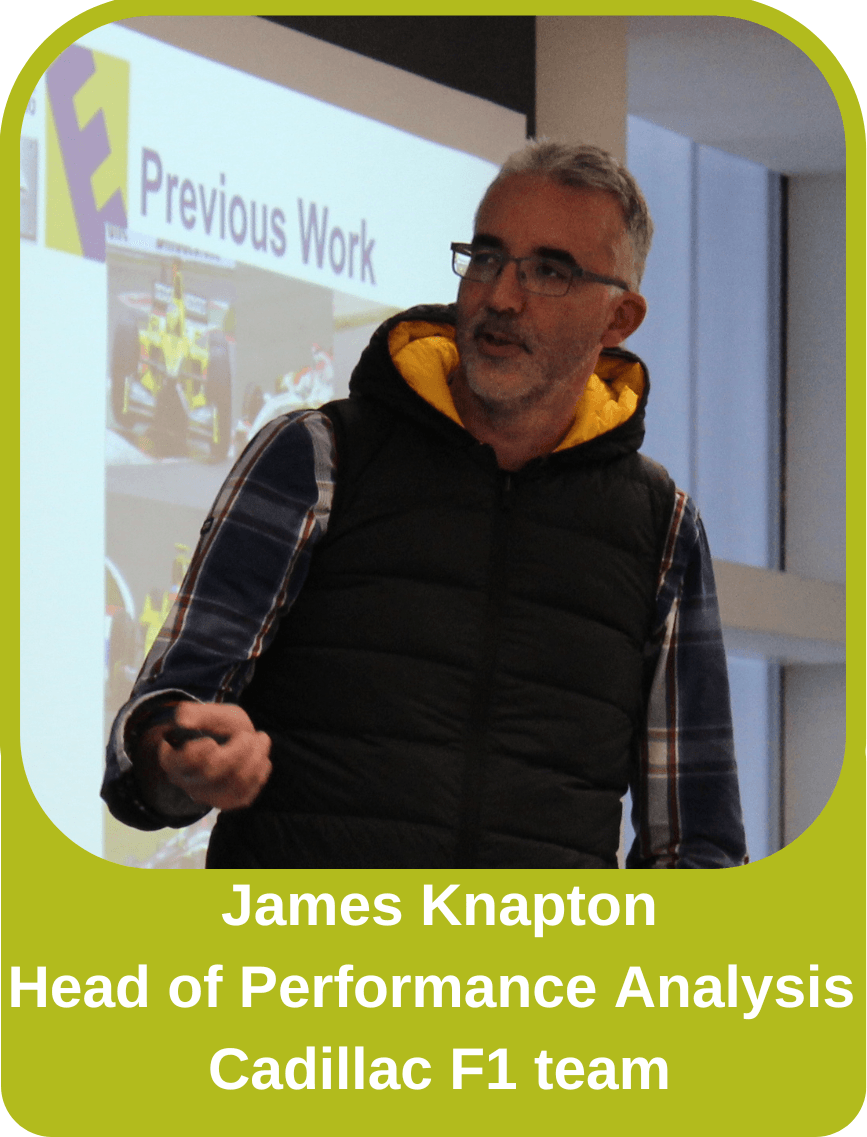
Delivered by James Knapton
Find out what areas of a racecar influence lap time the most and how this differs between tracks. Understand the types of corners where the most lap time can be gained and the effect of tyres, aerodynamics and power on car performance.
Ride modelling
Delivered by Geoff Dymott
Discover the ride and handling compromises every motorsport engineer faces. Understand the fundamentals of dampers and how to read the behaviour of different damper types using damper curves. You will also learn how to conduct an accurate ride simulation and K&C test.
Aerodynamics
Delivered by Marco D’Isanto
Learn how aerodynamicists tune ride height envelopes and aero maps to optimise car set-up for different circuits.
Test Rigs
Delivered by Geoff Dymott
Insight into the different types of rigs F1 teams use to test and develop the suspension, dampers, brakes, transmission and powertrain.
Tyres engineering
Delivered by tbc
Insight into how a tyre generates grip through the contact patch, the different types of degradation and the effect of track roughness. You will also learn the latest techniques race teams use to set the tyres up and manage temperatures and pressures to maximise grip.
Vehicle Dynamics in Rallying
Delivered by tbc
What factors influence the vehicle dynamics of a Rally car? Understand the interactions between elements of the Rally car, while learning how engineers manage the impact of external influences such as gravel, tarmac and snow.
Handling
Delivered by tbc
Understand handling, understeer, oversteer, stability, yaw damping and load sensitivity. Discover how car balance and the driving line influences handling throughout the different phases of a corner. Study friction circles, grip balance and how long run balance progression is monitored. Find out the tools engineers use to identify handling issues and the tricks used to optimise handling.
*Topics subject to change.
Find out more about the tutors:

James Knapton - Head of Performance Analysis
James Knapton has enjoyed a rich career in Formula 1. He has worked for 7 F1 teams, including Jordan Grand Prix, Midland F1, and Spyker F1, and has served as Head of Vehicle Science at Force India, Sauber, Manor Racing, and Red Bull Advanced Technologies, where he worked on the Aston Martin Valkyrie project. James is now working as Head of Performance Analysis for Cadillac Formula 1 Team.


Michael Leonard - Simulator Test Engineer
Michael joined Cadillac F1 team as an Aero Performance Engineer in 2023 after graduating from Loughborough University with MEng Automotive Engineering. During this time he worked for Racing Point and Aston Martin Formula 1 Team for a total of 18months - spending time in Aerodynamics, R&D and Vehicle Performance. Michael now works at Atlassian Williams Racing F1 as a Simulator Test Engineer.


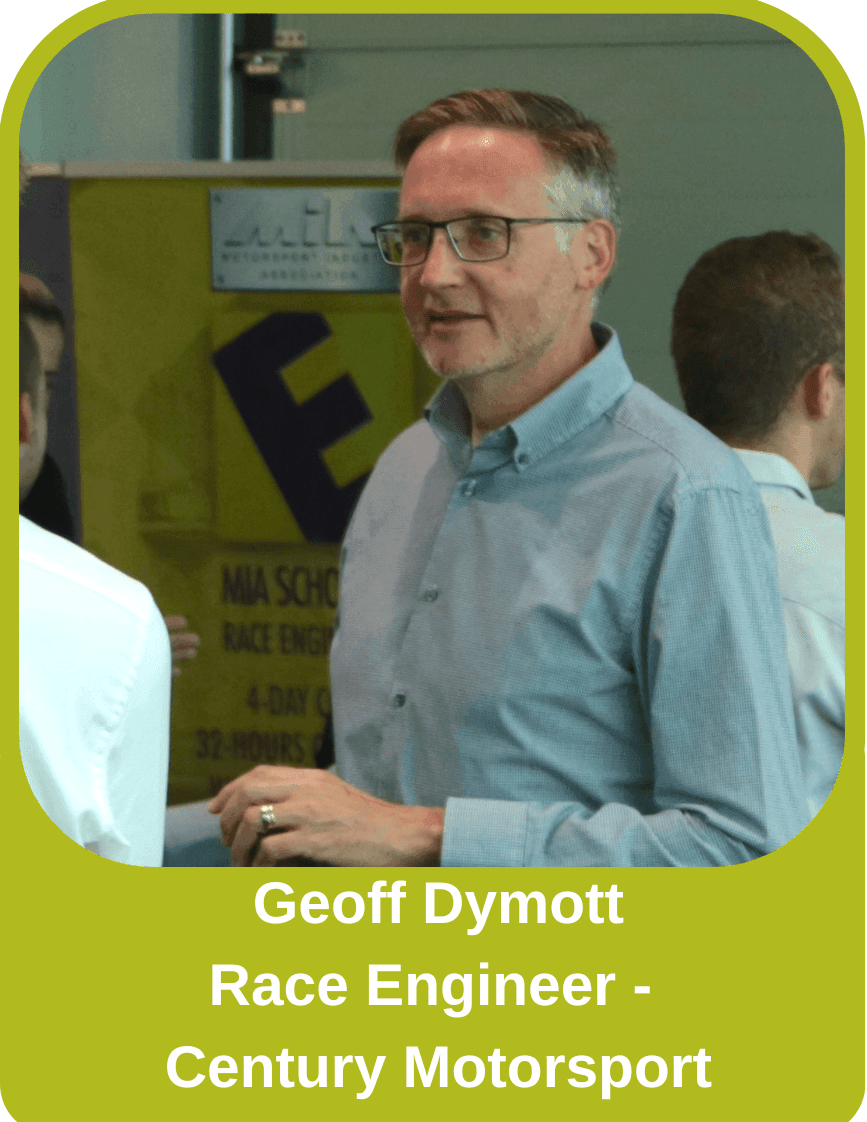
Geoff Dymott - Race Engineer
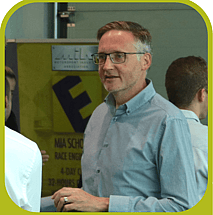
Geoff has worked for Williams Racing for over 20 years in a variety of roles including Vehicle Dynamics, Race / Test Data Engineer and Senior Performance Engineer. Starting his own consultancy in 2019, Geoff has also been a Race Engineer in British F4, Porsche Carrera Cup GB for Richardson Racing and more recently Century Motorsport in British GT.

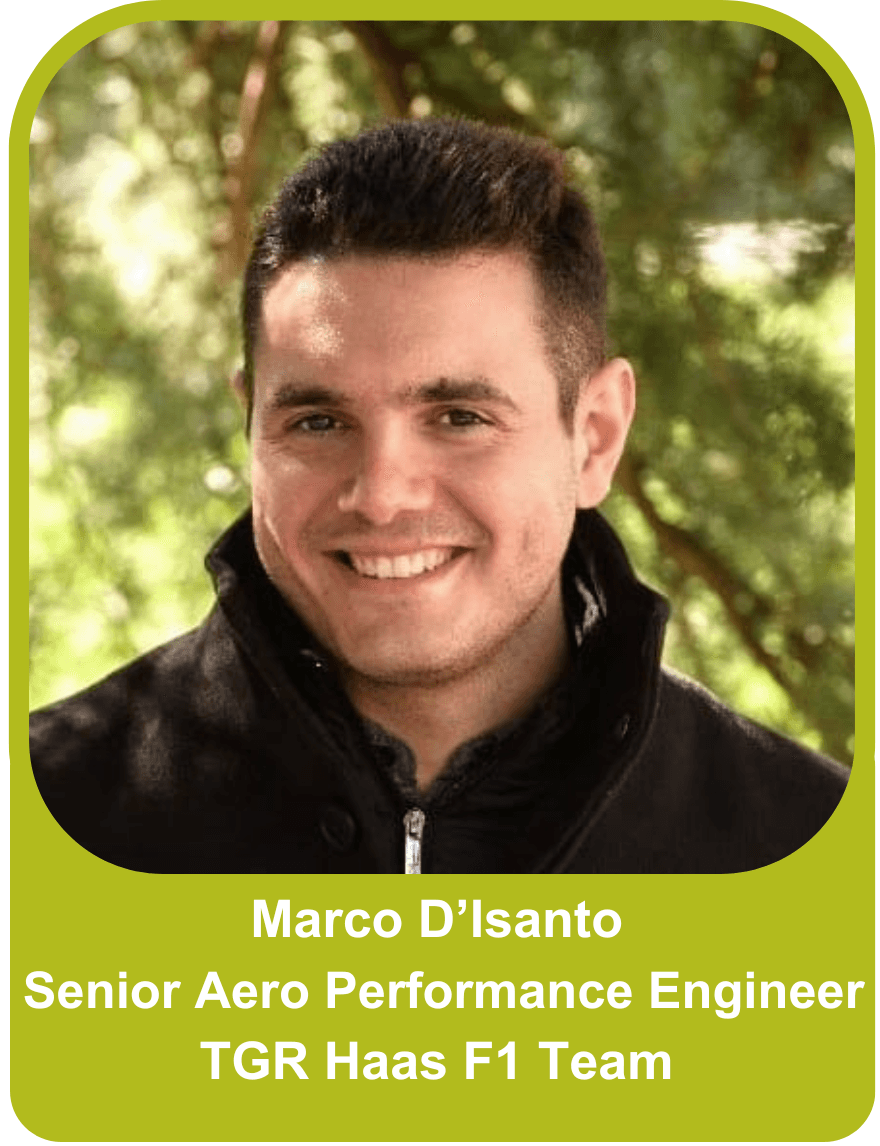
Marco D’Isanto - Senior Aero Performance Engineer
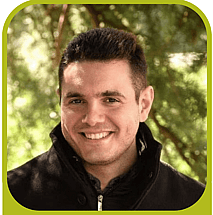
Marco graduated from University of Naples Federico II with a MSc in Aerospace Engineering and a major in Computational Fluid Dynamics.
He started his journey into Motorsport as a wind tunnel engineer at Dallara, while also spending his weekends as a data engineer in amateur racing series.
Marco now works at TGR Haas F1 Teams as a Senior Aero Performance Engineer.
On successful completion of the Online Module, graduates are awarded an industry recognised certificate of completion from the MIA. The online modules will take place on 12 December and 16 January, via Zoom and the MIA Campus platform. The cost for this industry recognised learning opportunity is just £265*. This price includes exclusive technical material, the opportunity to put forward questions to the tutors, access to the webinar recording and a certificate of attendance. The module duration is 11:00 - 16:00 (GMT).
Early Bird rate
Vehicle Dynamics – Part 1 (12 December): Get 15% off by using code EarlyBird at checkout. Offer expires at 09:00 GMT on 27 November.
Vehicle Dynamics – Part 2 (16 January): Get 25% off by using code SuperEarlyBird at checkout. Offer expires at 09:00 GMT on 7 December.
*Bundle packages are available if you enrol on multiple modules and there is a special loyalty offer for MIA Members and past participants. Contact nadia.dutchak@the-mia.com or nicola.howard@the-mia.com for more information.
Testimonials:
Media Partners